Youth PALLI Fellowship
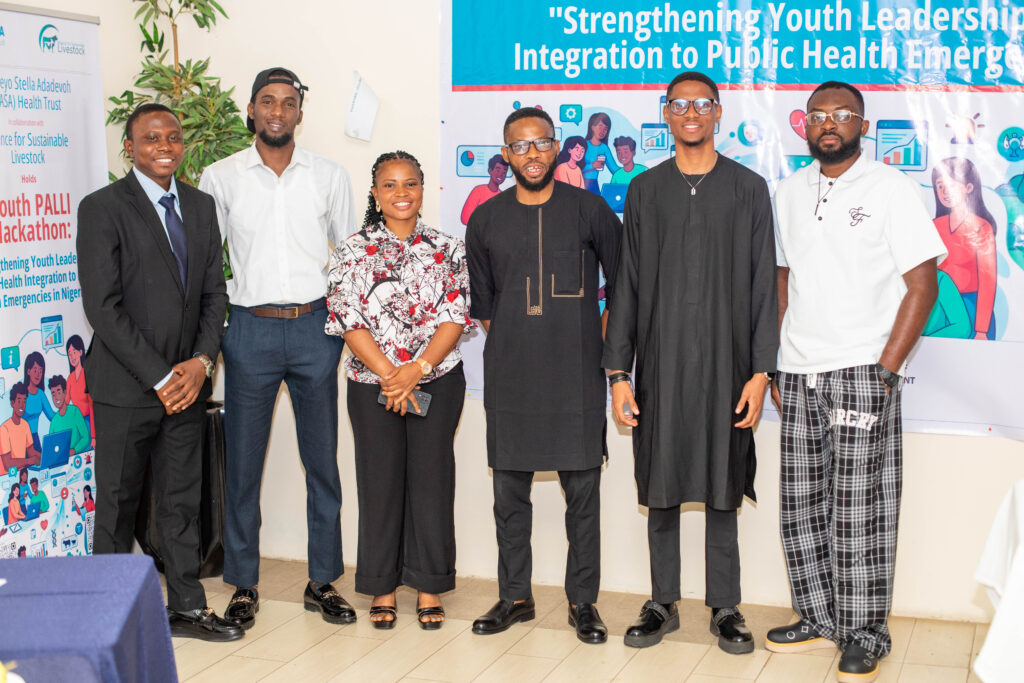
The final phase of the Youth PALLI Fellowship closed on a high note in Abuja with a competitive Hackathon that brought together six outstanding fellows to present bold, practical solutions to public health emergencies.
But this was more than just a pitch session. It was the transition point from knowledge to action.
A Fellowship Built for Impact
The Youth PALLI Fellowship was designed with a clear goal: to equip young professionals with the skills and mindset needed to tackle complex health challenges through a One Health approach linking human, animal, and environmental health.
Over the course of a year, fellows were trained in:
- One Health principles
- Global health security
- Antimicrobial resistance (AMR)
- Leadership and advocacy
- Project design and implementation
By the time they reached the Hackathon stage, they weren’t just learners they were solution builders.
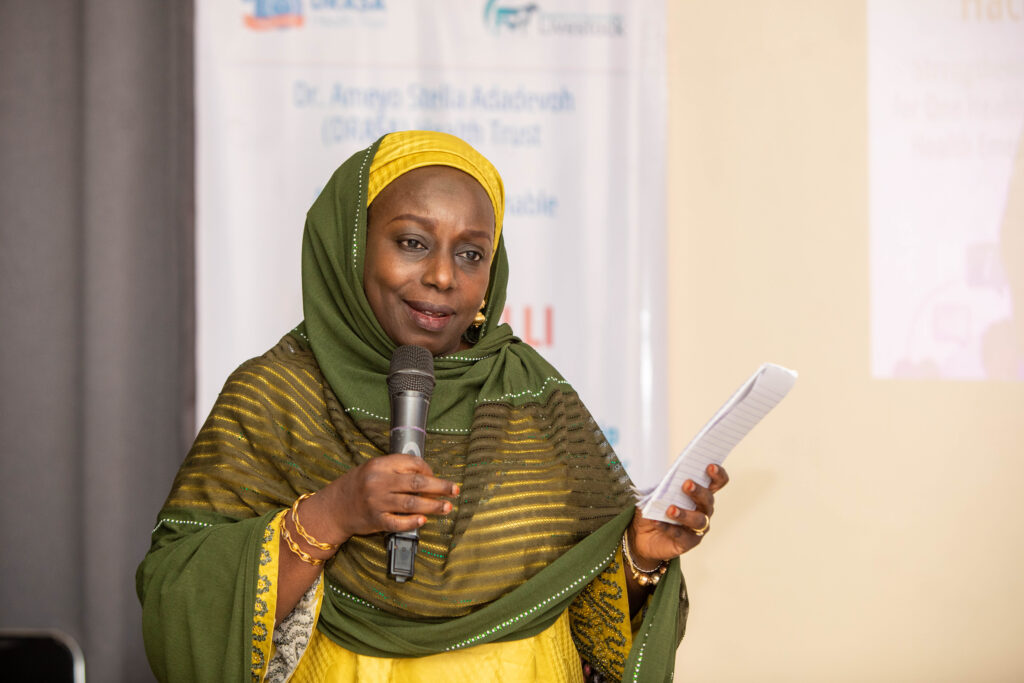
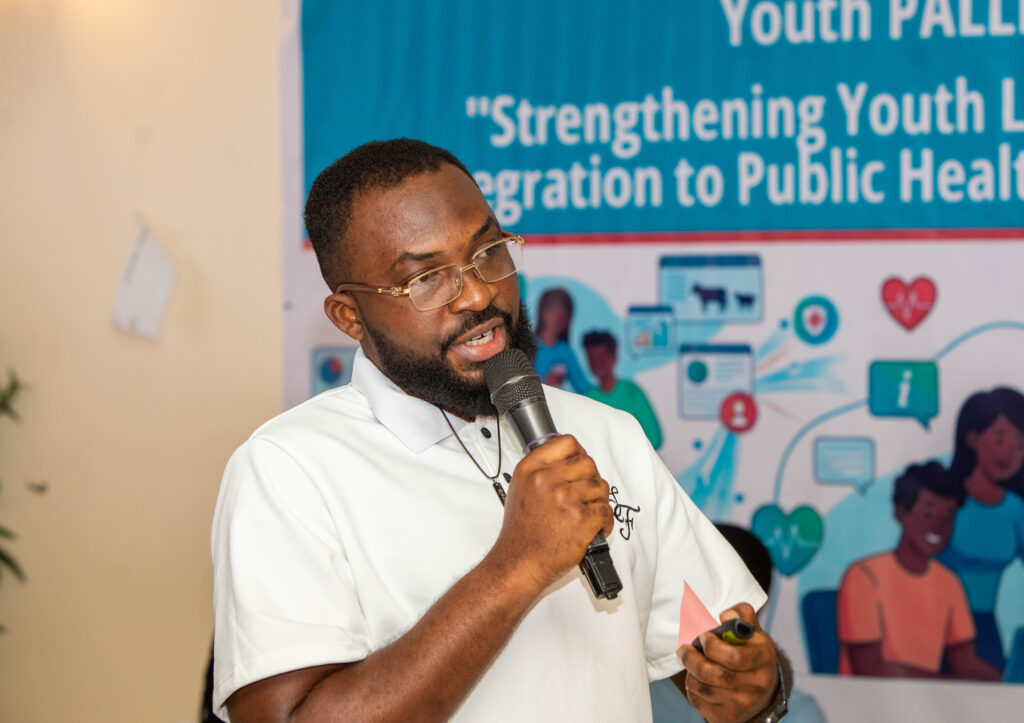
Dr Mairo Kachalla’s Opening Speech
The Hackathon: Where Ideas Met Execution
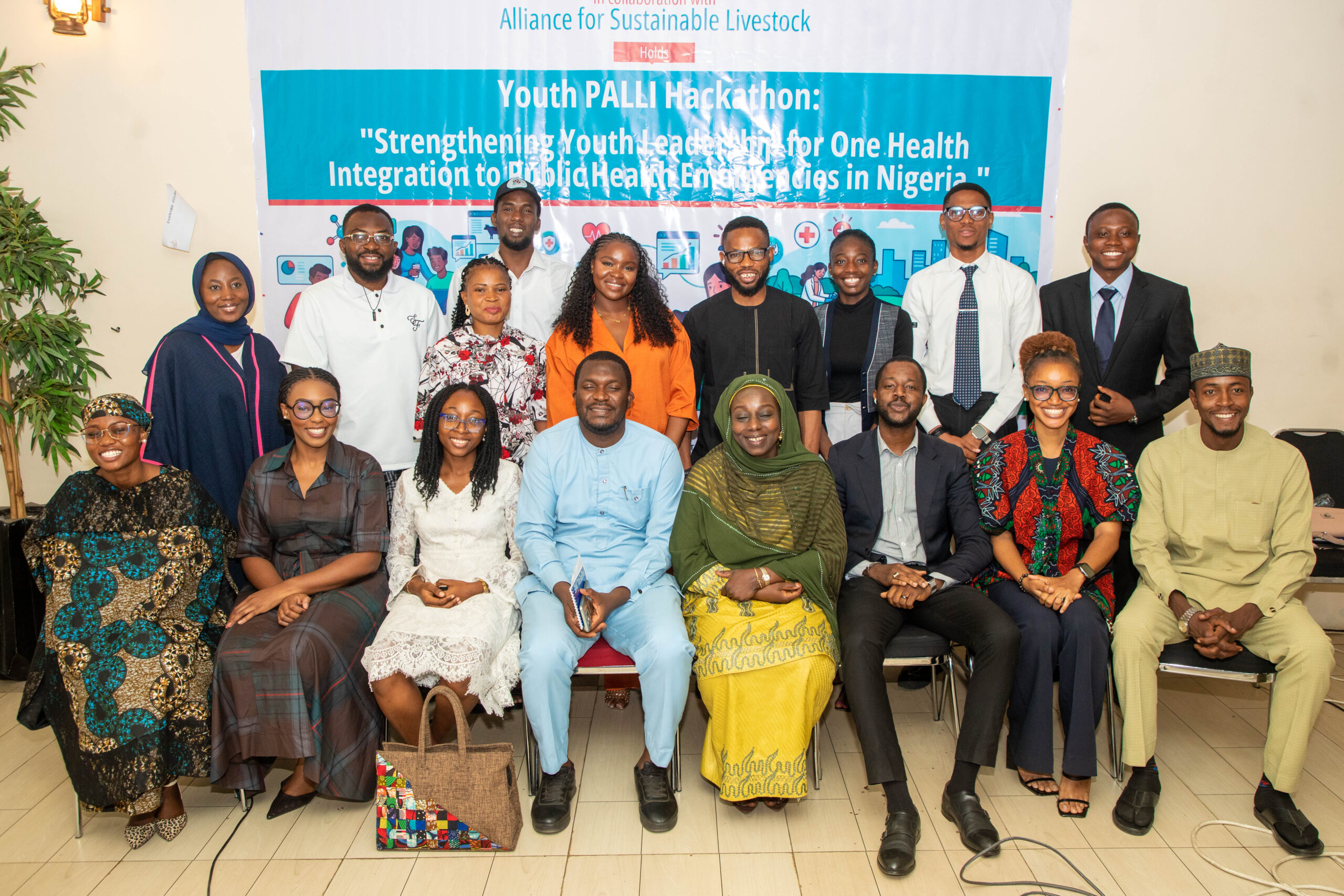
Held on March 4, 2026, in Abuja, the Hackathon brought together fellows, expert judges, and partners to evaluate real-world solutions to pressing health security challenges.
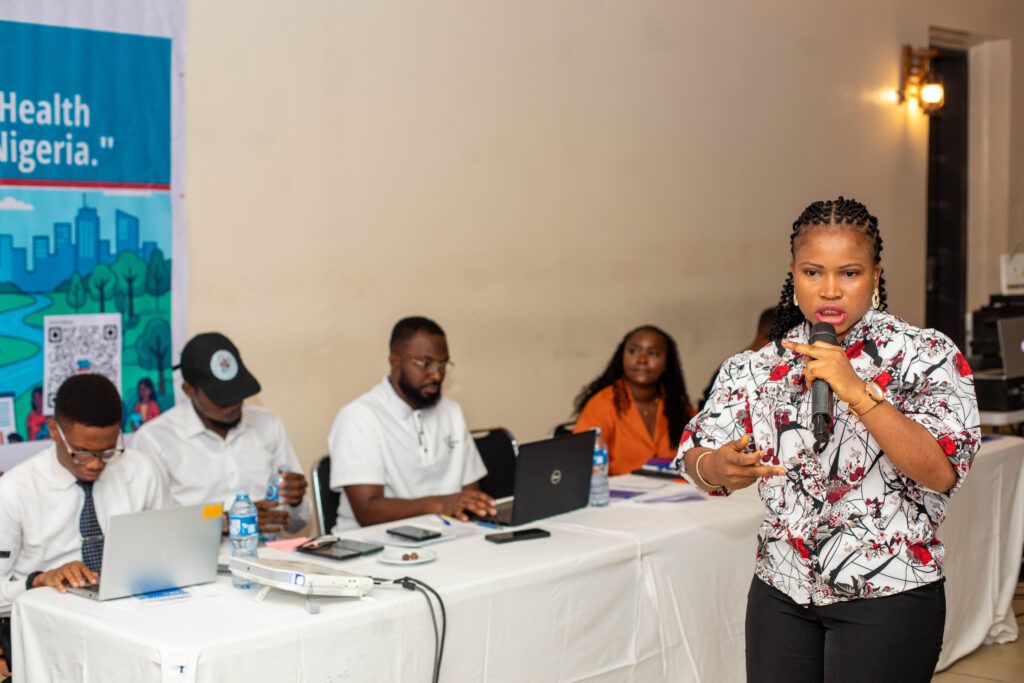
Each fellow delivered a structured pitch followed by a rigorous Q&A session. The evaluation focused on:
- Technical strength and feasibility
- Alignment with Nigeria’s health priorities
- Integration of One Health principles
- Community engagement strategy
- Potential for scalability and long-term impact
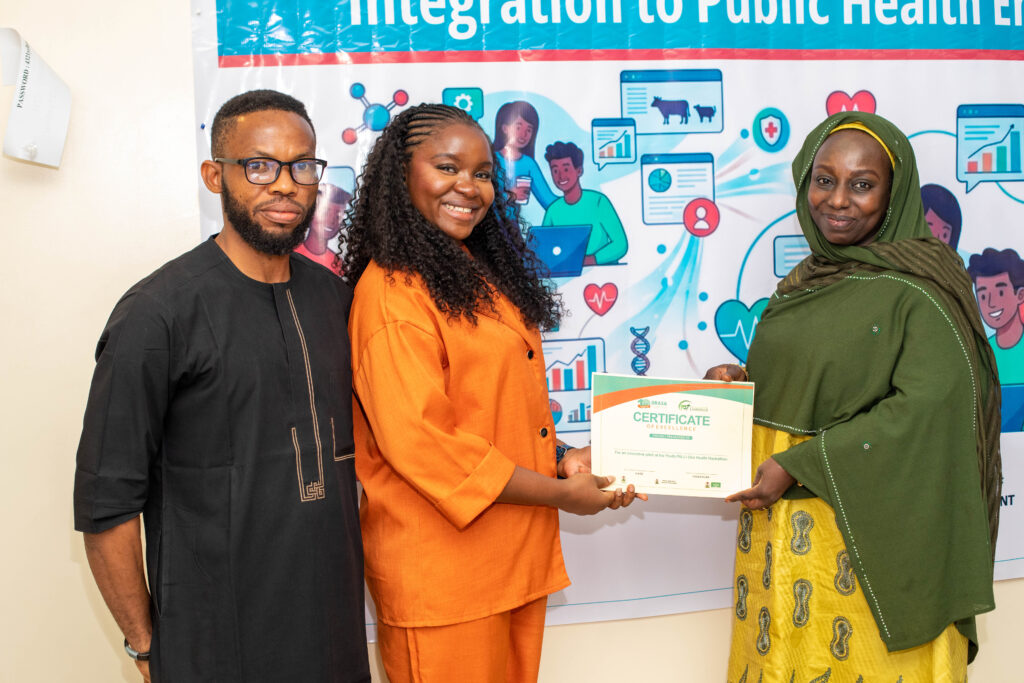
Three fellows emerged as winners, earning technical mentorship and support to bring their ideas to life.
What stood out wasn’t just the quality of ideas it was the confidence, clarity, and leadership behind them.
Key Outcomes That Matter
1. Youth Innovation Driving Health Security
The Hackathon showcased how young professionals are already designing solutions that respond to emerging health threats using interdisciplinary thinking.
2. Immediate Real-World Impact
Two fellows secured external grant funding during the program—proof that the skills gained are not theoretical, but immediately applicable.
3. A Growing Leadership Pipeline
The fellowship has built a network of young leaders ready to contribute to national conversations on AMR, emergency preparedness, and One Health policy.
Voices from the Fellowship
Post-event feedback revealed something powerful: transformation.
Fellows described the experience as a turning point in their professional journey—gaining not just knowledge, but confidence and clarity. The ability to apply grant-writing skills successfully during the program highlights the fellowship’s practical value.
Strengthening Systems and Partnerships
The Alliance for Sustainable Livestock (ASL) played a critical role in the success of the Hackathon—supporting technical coordination, moderating sessions, and documenting the process.
Beyond execution, ASL’s involvement reflects something bigger:
- Strengthening its position in Nigeria’s One Health ecosystem
- Building strategic partnerships with organizations like DRASA
- Connecting with emerging youth leaders shaping the future of health security
This is where collaboration meets long-term impact.
What Comes Next?
The momentum doesn’t stop here. Key next steps include:
- Supporting the implementation of selected fellows’ projects
- Expanding visibility of fellowship outcomes
- Deepening collaboration ahead of Cohort 2
For ASL and its partners, this is an opportunity to move from engagement to co-creation of solutions at community level.
A Forward-Looking Conclusion
The Youth PALLI Fellowship Hackathon marks a significant milestone in advancing youth-led innovation in Nigeria’s health sector.
The winning projects reflect a strong commitment to sustainable, scalable solutions grounded in the One Health approach. More importantly, they signal a shift where young leaders are no longer just participants in the system, but active drivers of change.
As the next cohort approaches, one thing is clear: the future of health security in Nigeria is collaborative, interdisciplinary, and youth-driven.